A restaurant can be more than a place to eat. The historical Ribalta website offers a window into the movement of Neapolitan food traditions across the Atlantic, the changing restaurant landscape in two American cities, and the social rituals that connect food with football.
From Naples to Manhattan
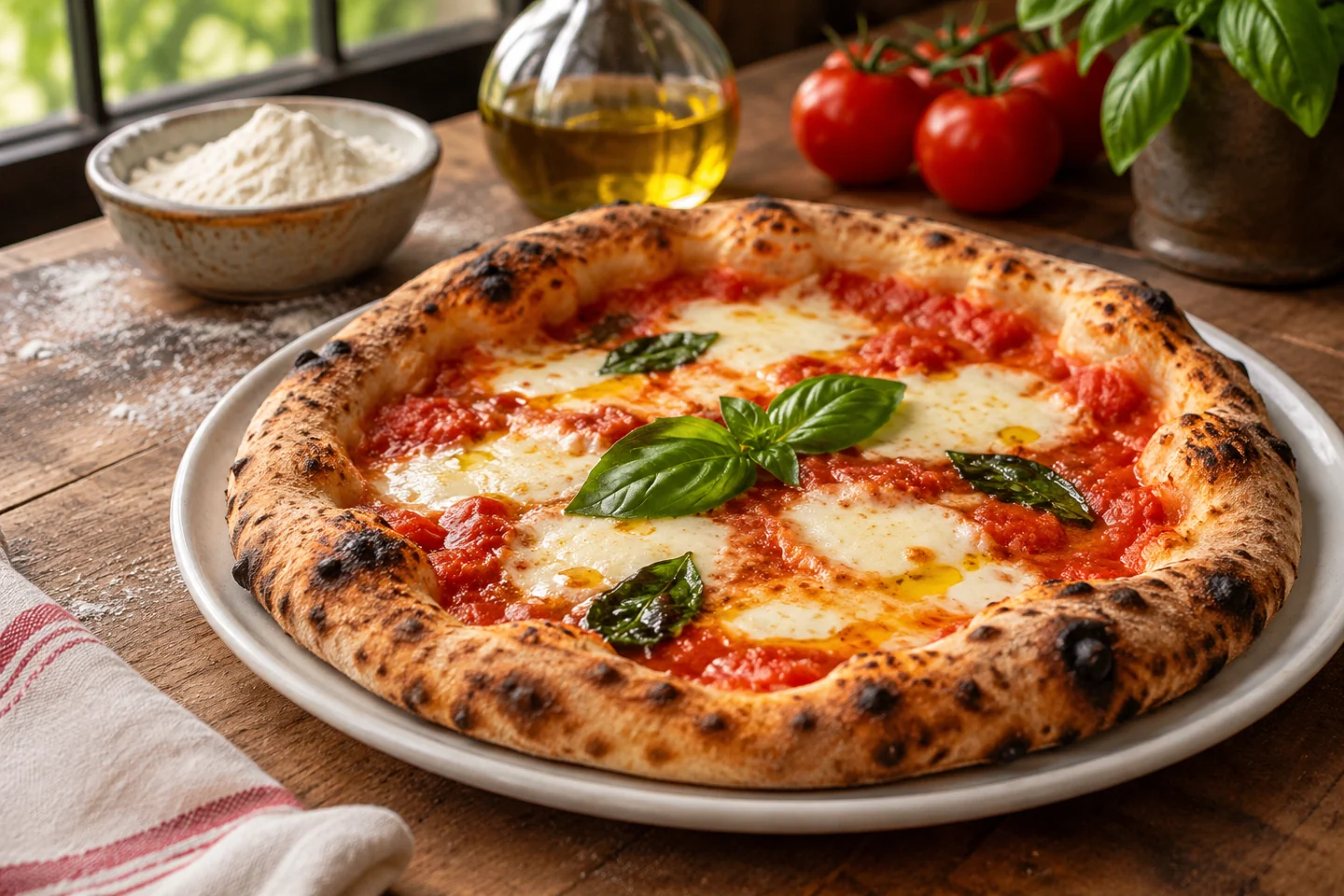
Neapolitan pizza is a tradition shaped by the interaction of dough, heat, ingredients and craftsmanship. In New York, that tradition entered a city with its own long-established pizza culture. Restaurants that drew on Naples offered diners a different interpretation of a familiar food, often emphasizing a soft, airy crust, short baking times and the distinct texture of a freshly prepared pie.
Ribalta was operating on East 12th Street in Manhattan by 2012. A contemporary neighborhood report in EV Grieve documented the change from Piola to Ribalta. In 2013, a Village Voice interview described Rosario Procino taking an ownership and management role and bringing in chef Pasquale Cozzolino. These accounts help establish a historical timeline without assuming that every aspect of the business remained unchanged.
Rather than treating a restaurant website as a static advertisement, this archive reads it as a record of culinary identity. A location page, a description of a chef, or a photograph of a dining room can tell researchers about what restaurants wished to communicate to their audiences at a particular moment.
Two cities on one website
A Wayback Machine capture dated 3 May 2015 shows the former homepage divided into two location choices: New York City and Atlanta. The former New York address is shown as 48 East 12th Street; the Atlanta branch is listed at 1080 Peachtree Street NE, suite 9. This snapshot is evidence of the former website structure, not a current directory of operating locations.
The Atlanta expansion was reported in 2014 by What Now Atlanta and the Atlanta Journal-Constitution. The latter described an approach to Neapolitan pizza that was adapted to the new restaurant while retaining a connection to the New York team. Such reporting reveals how culinary concepts are translated between cities with different dining habits and restaurant markets.
The Atlanta restaurant stopped operating on 30 December 2018, according to contemporary closure reporting. That distinction matters: a historical menu or address is not a recommendation to visit a currently open venue.
Read the New York location history and the Atlanta archive for more detailed context.
Food as a shared cultural practice
Restaurants help preserve cultural connections in ways that are not limited to recipes. For migrants and their descendants, a shared language, familiar flavors and conversations about home can make a dining room a community setting. For other diners, the same space offers an introduction to a tradition that they may not have encountered before.
Pizza is particularly well suited to this setting. The preparation is visible in many pizzerias, dishes can be shared, and the arrival of a pie becomes a natural interruption in conversation. These features help explain why the meal can become part of a larger social experience.
Football and the restaurant table
The historic connection between Ribalta and Italian football culture is documented by independent reporting. Observer described watching a 2014 World Cup match at the New York restaurant. That year, iItaly also reported on a gathering of Italian football supporters associated with the restaurant.
A 2019 feature in La Cucina Italiana described Sunday football viewing at Ribalta and the owners’ support for Napoli. These accounts show the importance of shared viewing to the restaurant’s cultural identity. They do not establish that every event or tradition continues today.
Football gatherings bring together multiple forms of participation: the shared tension of a match, conversation about players and teams, and food that marks the occasion. The restaurant becomes a setting where a broadcast is experienced socially rather than as an isolated event. Explore the football and community essay for further background.
Why preserve the old web?
Restaurant websites change as businesses expand, close locations, redesign menus and move to new addresses. Older articles may continue pointing to a URL long after the original page disappears. A carefully labeled historical archive can help explain what those links once represented and point readers toward the relevant sources.
This website does not reproduce the former restaurant’s branding, reservation system, menu ordering or customer accounts. Its articles are original summaries of historical reporting. It provides no guarantees about the present operations of any restaurant.
Further reading
Our source directory includes contemporary reporting, the original business’s current website, and the archived website address. For up-to-date dining information, visit Ribalta’s official New York website.